

E-130J TACAMO will replace the E-6B Mercury fleet, ensuring strategic communication in the event of nuclear war
On August 8, the United States Navy officially announced the name of its new strategic communications aircraft, the E-130J TACAMO: “Phoenix II”.
+ Indonesia Receives Its First Dassault Rafale Fighter Jet
The new model will replace the Boeing E-6B Mercury fleet, which for over 30 years has carried out the mission of ensuring communication between the US President and Secretary of Defense with submarines armed with nuclear ballistic missiles.
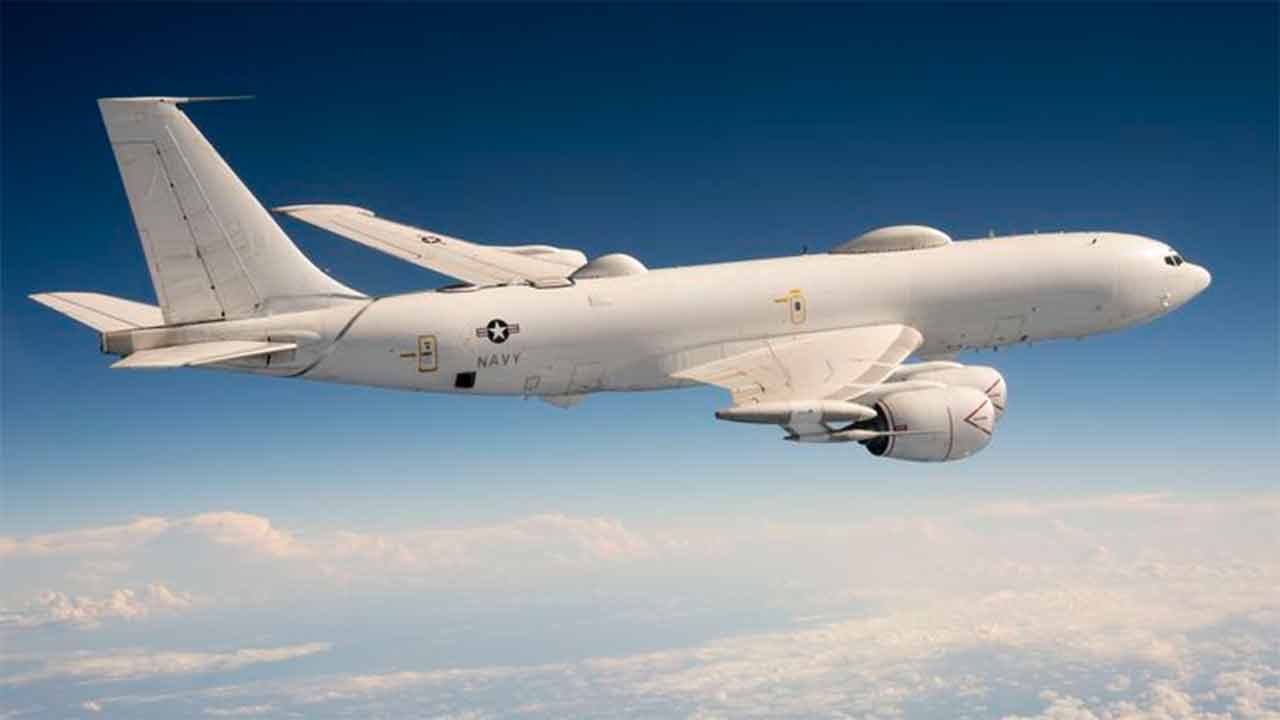
The TACAMO system (Take Charge and Move Out) consists of airborne relay stations capable of receiving, validating, and sending emergency orders to strategic forces, even in scenarios of global conflict. The “Phoenix II” marks the Navy’s return to aircraft based on the Lockheed C-130, previously used in the EC-130Q version between 1963 and 1993 for similar roles.
The program is led by Northrop Grumman, contracted for $3.5 billion to develop the new aircraft. Lockheed Martin will supply the C-130J platform, which will be fitted with a complex communications and protection system to ensure operation in nuclear confrontation environments.
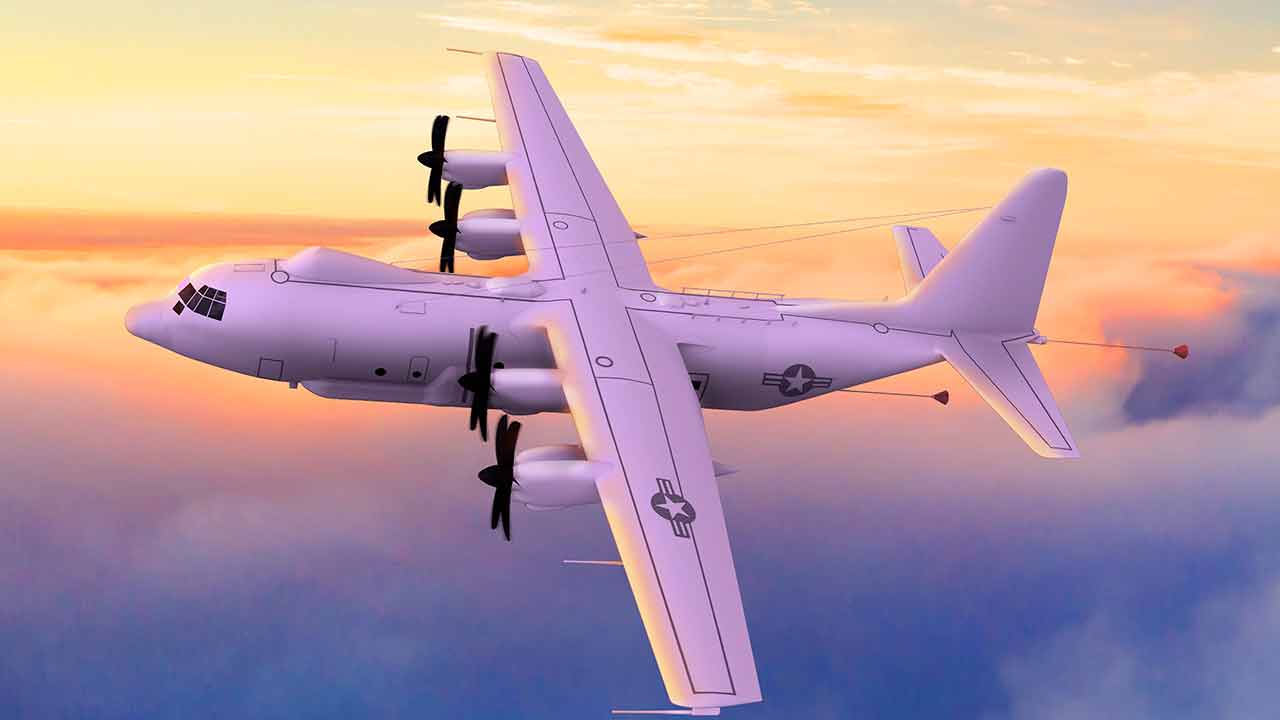
The exact number of E-130J aircraft ordered has not yet been disclosed, but they are expected to completely replace the current fleet of 16 E-6B Mercury aircraft. The Navy emphasized that the “Phoenix II” will offer “unparalleled reliability and durability” for critical missions.
Sources: Northrop Grumman, X @NGCNews | NAVAIR, X @NAVAIRNews. This content was created with the help of AI and reviewed by the editorial team.
